
Understanding Florida’s Required Boat Insurance and Boating Laws for Safe Waters

Florida boaters must know insurance rules and boating laws.

Florida’s sparkling waters attract thousands of boaters each year. Whether you sail along the coast or cruise through inland lakes, understanding the required Florida Boat insurance and state laws can help you protect your investment and enjoy your time on the water. By learning about the essentials of boat insurance and the legal requirements, you can navigate Florida’s waterways with confidence and peace of mind.

Why Florida’s Required Boat Insurance Matters for Florida Boaters

Owning a boat in Florida comes with both excitement and responsibility. Because many of the state’s waterways are shared by locals and tourists alike, accidents can happen. For that reason, boat insurance provides critical financial protection against damage, theft, or liability. Without insurance, a single accident can lead to expensive repairs or medical bills, putting your finances at risk.

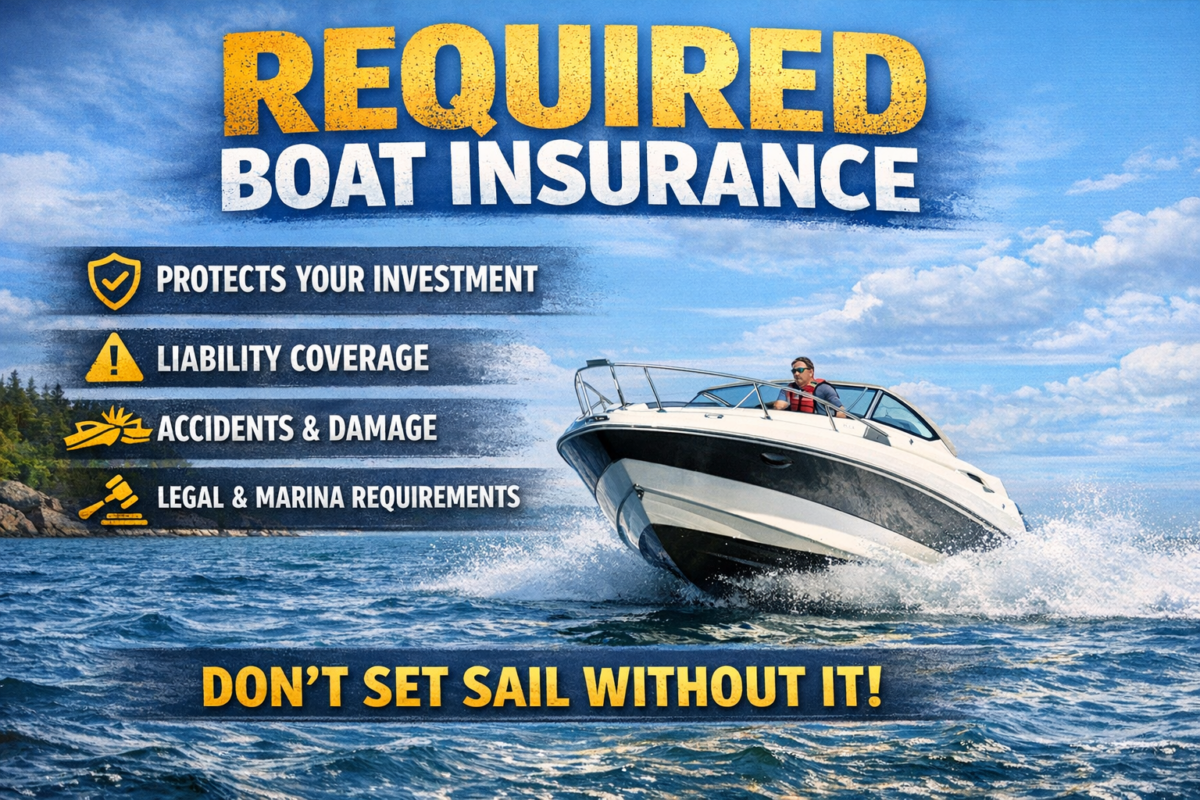
Even though Florida does not require boaters to carry insurance by law, lenders usually demand coverage if you finance your boat. Furthermore, many marinas require proof of insurance before allowing you to dock. Given the state’s unpredictable weather, including hurricanes and sudden storms, having insurance is not just wise, but it’s often necessary.

Besides financial reasons, boat insurance gives you peace of mind every time you head out on the water. Instead of worrying about what could happen, you can focus on enjoying your outing. While accidents are often unpredictable, having insurance means you are ready for the unexpected. As a result, you can relax and make the most of your boating adventures in Florida.

Key Types of Boat Insurance Coverage Explained

Boat insurance policies come with several types of coverage, each designed to protect you in different ways. The most common is liability coverage, which pays for injuries or property damage you may cause to others. Because boating accidents can result in significant financial claims, liability protection serves as a crucial safety net.

Physical damage coverage is another essential part of most policies. For example, if your boat is damaged in a collision, by fire, or even by theft, physical damage insurance will help cover the repair or replacement costs. Many policies also cover personal belongings and equipment on your boat so that you can replace lost items after a mishap.

Some boaters choose to add extras, such as uninsured boater coverage or towing and assistance. For instance, if another boater without insurance causes an accident with your vessel, uninsured boater coverage can cover your losses. Towing and assistance coverage can help pay for emergency help if you break down far from shore. By combining different types of coverage, boaters can tailor a policy to meet their unique needs.

Important Florida Boating Laws and Regulations

Florida has specific laws to keep boaters and waterways safe. While the state does not require boat insurance for privately owned vessels, rules about registration, safety equipment, and boater education are strictly enforced. Every motorized boat operated on Florida waters must be appropriately registered with the state, and you must display your registration numbers clearly on your vessel.

In addition, Florida law requires specific safety equipment on every boat. For example, all boats must carry a life jacket for each person on board, and most watercraft must have fire extinguishers, sound-producing devices, and visual distress signals. Law enforcement agencies patrol the waters regularly to ensure compliance with these rules.

Boater education is another primary focus in Florida. Anyone born on or after January 1, 1988, must complete an approved boating safety course and carry a boater safety identification card while operating a boat with ten horsepower or more. By following these legal requirements, you help ensure safer waters for everyone.

How to Stay Compliant on Florida Waters With Required Florida Boat Insurance

Staying compliant with Florida’s boating laws protects you and everyone around you. Always keep your boat registration and boater safety card on board whenever you are on the water. Law enforcement officers may request to view these documents at any time, so it is essential to keep them readily accessible.

Before each outing, check that all required safety equipment is present and in good condition. Inspect life jackets, fire extinguishers, and signaling devices before you leave the dock. Since boating laws can change, review the latest regulations from the Florida Fish and Wildlife Conservation Commission regularly.

If you plan to anchor or dock at marinas, be prepared to show proof of insurance if asked. Even though the law may not require insurance, many facilities set their own rules. By taking these steps, you show respect for Florida’s laws and help make the water safer for everyone.

Safety Tips and Best Practices for Responsible Boating

Responsible boating goes beyond following the law. Always check the weather before you leave the dock, because conditions in Florida can change quickly. Intense storms and high winds can appear without much warning, so prepare accordingly and have a plan to return to shore if necessary.

Whenever possible, avoid boating alone. Having another person on board can make emergencies more straightforward to manage. Make sure everyone wears a life jacket, especially children and weak swimmers. Life jackets save lives and are one of the simplest ways to stay safe.

Stay alert and maintain a safe speed at all times. Florida’s waterways can get crowded, and reckless behavior increases the risk of accidents. Never operate a boat under the influence of alcohol or drugs, as impaired boating is both dangerous and illegal. By following these best practices, you help create a safer environment for all boaters.

Understanding Florida’s boat insurance options and boating laws is essential for being a responsible boat owner. Because state regulations keep everyone safe, following them gives you peace of mind and helps protect your investment. Even though insurance is not mandatory for every boater, it provides valuable financial security and ensures you are prepared for unexpected events.  
How Loopholes Hurt Florida’s Home Insurance Before Reforms

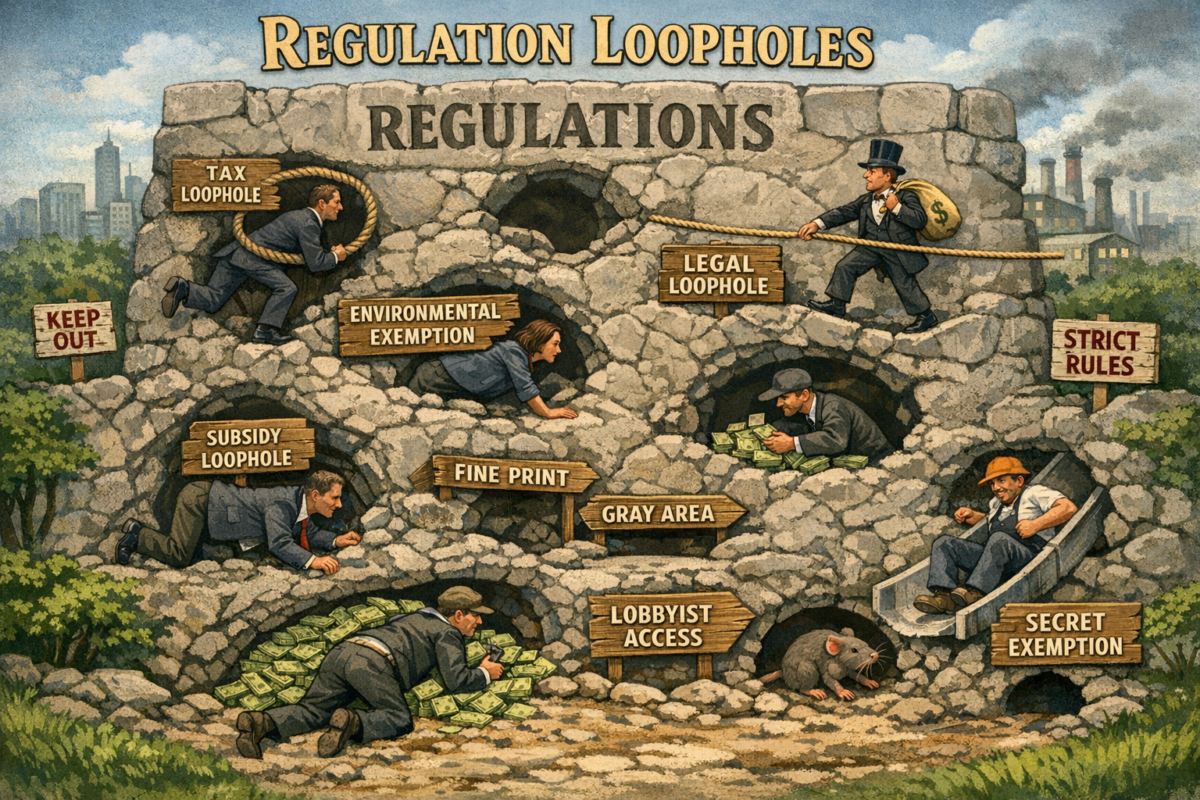
Florida’s home insurance market has faced significant challenges for years. Many of these problems came from loopholes that hurt Florida. Because of these gaps, insurance companies and homeowners suffered together. Fraudulent claims became common, and premiums soared. Before recent reforms, the entire system teetered on the brink of collapse. Understanding what happened before the changes helps everyone see why reform was so urgently needed. Now, Florida serves as a cautionary tale for other states. The story reveals how even minor legal oversights can have significant consequences. Let’s explore the roots of Florida’s insurance crisis and how reforms are shaping the future.

Understanding Legal Loopholes in Florida Insurance Law

First, legal loopholes in Florida’s insurance system allowed people to take unfair advantage. For years, specific clauses in contracts gave third-party contractors too much power over claims. As a result, some contractors could sign over policy rights and take over the entire claims process. Although this seemed like a quick fix for homeowners, it opened the door to abuse.

Furthermore, many laws did not clearly define limits on legal fees. Because of these unclear rules, lawyers and contractors often filed lawsuits for even small claims. Insurance companies struggled to defend themselves against so many legal battles. Meanwhile, loopholes made it hard for insurers to deny suspicious claims. When loopholes allowed lawsuits to multiply, everyone involved felt the strain. Loopholes hurt Florida’s home insurance

Additionally, confusion over “assignment of benefits” agreements grew. Homeowners often did not realize they were signing away control of their policies. As loopholes went unchecked, fraudsters found new ways to exploit honest homeowners. Since the law offered little protection, both insurers and customers found themselves trapped by legal technicalities. Over time, trust in the system faded as loopholes led to increasingly serious problems.

The Rise of Fraudulent Claims and Their Impact

Once loopholes became common knowledge, fraud surged across the state. Shady contractors began targeting neighborhoods after storms, promising free repairs to anyone willing to sign over their policy rights. Because the assignment-of-benefits process was poorly regulated, these contractors could inflate repair costs. Insurers then faced bills that far exceeded the actual value of the damage.

Not only did fraudulent claims overwhelm insurance companies, but they also affected honest homeowners. When insurers paid out for fake or exaggerated claims, their losses piled up. To stay in business, companies had to recover by raising everyone’s premiums. As a result, families who never filed a claim still paid the price. The rise in fraud made it harder to find affordable coverage.

Moreover, the legal environment favored lawsuits over cooperation. Because lawyers could collect high fees for even small wins, many cases ended up in court. As lawsuits increased, insurers spent more money defending themselves than helping real victims. Fraud became so widespread that some companies left the market altogether. Without substantial reforms, the entire system risked collapse.

How Loopholes that Hurt Florida’s Home Insurance Exploded Premiums Statewide

Insurance premiums in Florida skyrocketed in recent years. As fraud and lawsuits multiplied, companies faced more risk with every policy they wrote. To offset these risks, insurers had no choice but to charge higher rates. In turn, families across the state saw their premiums double or even triple almost overnight.

Because the legal system made it easy to file lawsuits, insurers spent huge sums on legal fees rather than on claims. Each time a company lost a case, other policyholders ended up paying for it through their premiums. Homeowners who never filed a claim still saw their costs rise year after year. While some people tried to shop around, few found any relief.

Eventually, many insurance companies left Florida entirely. When competition shrank, the remaining companies could raise rates even further. Some homeowners could no longer afford insurance. Others risked losing their homes because their policies were canceled. High premiums became a daily burden for families already struggling with rising costs elsewhere.

The Struggles Homeowners Faced Before Reforms to Loopholes that hurt Florida home insurance

Before reforms were passed, Florida homeowners faced a perfect storm of difficulties. Many received confusing paperwork after storms, only to later discover they had signed away their policy rights. Contractors sometimes filed claims without even starting repairs. For honest families, navigating the system was nearly impossible.

In addition, rising premiums forced many people to cut back elsewhere. Some families had to choose between home insurance and other basic needs. Others faced foreclosure because lenders required insurance that they simply could not afford. Even those who paid high premiums worried that their claims might be denied if another storm hit.

Worse yet, the lack of trust created tension between homeowners and insurers. People felt trapped, knowing they needed coverage but unsure whom to trust. When fraudsters moved in, neighborhoods became battlegrounds for legal fights and repairs. Without reforms in place, hope seemed far away for Floridians just trying to protect their homes.

Turning Point: Major Reforms Change the Landscape For Loopholes that hurt Florida home insurance

Finally, lawmakers took bold action to fix the broken system. The change came in the form of new restrictions on assignment of benefits agreements. Contractors and lawyers could no longer take over claims without explicit permission. Homeowners now have more control over their own policies.

In addition, the legal landscape shifted to discourage frivolous lawsuits. New rules limit the fees lawyers and contractors can collect from insurance companies. Because of these reforms, insurers no longer face the same overwhelming risk from small claims and the . Fewer lawsuits mean more resources go toward real repairs rather than court battles.

Early signs show that the reforms are working. Fraudulent claims have dropped, and insurers are returning to the Florida market. Premiums are stabilizing, giving families hope for the future. With stronger oversight, the entire system seems more balanced. Homeowners now have better protection from both fraud and sky-high costs.

Lessons Learned and the Path Forward for Florida

Looking back, Florida’s experience offers important lessons for everyone. First, even well-meaning laws can cause harm if loopholes that hurt Florida home insurance go unaddressed. When contractors and lawyers work around the rules, the entire insurance system feels the impact. Protecting homeowners means keeping laws clear and closing any gaps that might lead to abuse.

Furthermore, the crisis showed that fast action matters. Once fraud took hold, it spread quickly and affected everyone. By taking strong steps, lawmakers restored balance and rebuilt trust. The reforms did not solve every problem, but they stopped the worst abuse. Now, other states are watching Florida’s progress and learning from its mistakes.

Florida’s path forward depends on continued vigilance. Lawmakers and regulators must closely monitor the system, ready to act if new loopholes emerge. Homeowners also need clear information to make wise choices about their coverage. Insurers and contractors should work together to rebuild trust in the market. By focusing on honesty and transparency, Florida can protect its families and homes for generations to come. The state’s journey reminds everyone that strong laws, innovative reforms, and community awareness are the keys to a healthy insurance market.

In Summary

Florida’s home insurance crisis did not happen overnight. Years of unchecked loopholes, rising fraud, and legal battles eroded the market’s stability and loopholes hurt Florida’s home insurance. Homeowners paid the price through higher premiums and endless confusion. Once lawmakers stepped in, real change became possible. The new reforms are a turning point, providing hope that Florida can finally leave its insurance troubles behind. Although challenges remain, the state now has stronger tools to fight fraud and protect policyholders. Families can begin to trust the system again, knowing that the law is on their side. As Florida looks forward, its hard-won lessons offer a roadmap for others. With clear rules, strong oversight, and honest partnerships, everyone can enjoy safer, more affordable coverage. The story of Florida’s reforms shows how determined action can heal even the deepest cracks in a broken system.

Understanding the Minimum Car Insurance You Need in Florida

Florida drivers must meet specific car insurance requirements to drive legally.

Florida drivers often wonder what kind of car insurance they truly need. Understanding the minimum requirements is the first step to staying legal and protected on the road. Many people get confused by the different types of coverage and what the state actually demands. In Florida, specific rules set by the government outline the least amount of coverage you must carry. Knowing these rules helps you avoid fines and other penalties. As you read further, you will learn which policies Florida requires, what they include, and why the minimums might not be enough for everyone. The more you know, the easier it becomes to choose the right insurance for your needs. So, let’s take a closer look at Florida’s car insurance laws and how they affect you every day.

What Does Florida Law Require for Car Insurance?

Florida law requires all drivers to carry a minimum amount of car insurance before hitting the road. You must have at least two types of coverage to register your vehicle in the state. The law states that Personal Injury Protection (often called PIP) and Property Damage Liability (PDL) are both required. PIP covers your medical expenses regardless of who caused the accident, while PDL pays for damages you cause to someone else’s property. You cannot legally drive your car without these policies in place.

Personal Injury Protection is essential in Florida because the state follows a no-fault insurance system. Under this system, your own insurance pays for your injuries up to a specific limit, no matter who was at fault. Florida law requires you to have at least $10,000 in PIP coverage. This coverage helps pay medical bills and can also cover lost wages if you miss work after an accident. Because accidents can happen at any time, having this policy keeps you prepared and compliant with the law.

Property Damage Liability is the second required coverage. Florida requires at least $10,000 in PDL insurance to cover damages you cause to another person’s property. Most often, this means paying for repairs to another person’s vehicle, but it can also cover things like fences or buildings. If you do not have this insurance, a court could hold you personally responsible for paying these costs out of pocket. The minimum amounts might sound modest, but having them is essential for legal driving in Florida.

Key Components of Florida’s Minimum Coverage

Personal Injury Protection stands as one of the core pieces of required insurance in Florida. With $10,000 in coverage as the minimum, you will find that this protection helps pay for your immediate medical needs after a crash. However, sometimes it will also assist with other costs, such as lost income or funeral expenses. The aim is to help you and your passengers quickly recover without lengthy disputes over fault. Because accidents often cause unexpected costs, PIP keeps your recovery process simple.

Property Damage Liability makes up the other central part of Florida’s minimum insurance package. This part ensures that if you damage someone else’s car or property, your insurance will help pay for repairs. With at least $10,000 in coverage, you can handle more minor accidents without risking your own finances. While this amount may seem low, it does provide a basic safety net against common accidents. However, larger accidents can exceed these limits, leaving you responsible for additional costs.

Florida’s minimum requirements do not include coverage for damage to your own car or for injuries you cause to others. Comprehensive or collision coverage, as well as Bodily Injury Liability, are not part of the mandatory package. You may still want to consider them, especially if you drive often or have a valuable vehicle. Many people feel safer with extra protection, given the unpredictable nature of accidents. Although state law sets the minimums, you can always increase your coverage for greater peace of mind.

Why Minimum Coverage Might Not Be Enough

Although Florida’s minimum car insurance requirements keep you legal, they might not always provide enough protection. In many accidents, repair costs or medical bills can quickly exceed the $10,000 limits. If your insurance does not cover the full amount, you are responsible for paying the balance. This financial burden can put a severe strain on your budget or savings. Even minor collisions can result in damage that exceeds the minimum coverage limit.

Medical expenses can also add up much faster than you expect. While PIP covers initial bills, it often runs out before treatment is complete. If you sustain more serious injuries, you may need to pay for extra care on your own. Many drivers do not realize how quickly these costs can grow after a crash. Choosing only the minimum means taking on more risk if something goes wrong. For families or those with health concerns, higher coverage limits can make a big difference.

Property damage can also exceed the minimum PDL coverage, especially in bigger accidents or when multiple vehicles are involved. If your policy only covers $10,000 but the damage is $20,000, you must pay the remaining $10,000 out of pocket. Even small mistakes can turn into expensive problems without enough insurance. Because Florida’s required coverage is lower than that of many other states, you should carefully consider if the minimum is truly enough for your needs.

Comparing Costs and Risks of Basic Insurance

Many drivers choose the minimum required insurance because it often costs less each month. Lower premiums make it easier to fit insurance payments into a tight budget. For people with older cars or limited assets, basic coverage can seem like a practical option. However, saving on premiums can also mean accepting more financial risk after an accident. When you compare the monthly cost to the potential out-of-pocket expenses, the trade-off becomes clear.

The risks of carrying only minimum coverage extend beyond just financial concerns. If an accident results in injuries or property damage above your policy limits, you could face lawsuits or debt. These situations may harm your credit or even result in wage garnishment. Choosing the cheapest policy might not give you the security you expect. Many people regret their decisions when unexpected events occur.

Comparing insurance plans can help you find a better balance between cost and protection. You may discover that only a few extra dollars per month can double your coverage. Many insurers also offer discounts for safe driving, bundling policies, or taking defensive driving courses. By exploring your options, you can develop a policy that fits your needs without breaking the bank. Rather than rushing into the lowest price, it pays to weigh both the immediate savings and the long-term risks.

Making Smart Choices for Your Car Insurance Needs

Choosing the right car insurance in Florida means looking beyond just the legal minimums. You should start by thinking about your daily driving habits, the value of your car, and your personal financial situation. Some drivers may feel comfortable with the minimum, but others may need extra protection for peace of mind. Speaking with an insurance agent can help you understand your unique risks and what coverage works best for you. Asking questions and comparing quotes gives you more control over your policy.

Evaluate whether your current insurance would cover the costs of a serious accident. Consider what might happen if your medical bills or property damage exceeded the minimums. Many experts recommend adding Bodily Injury Liability and higher limits on your existing policies. Moreover, these additions do not just protect you but also safeguard your family and your assets. Increasing your coverage can often be done for a slight increase in monthly payments.

Taking time to review your policy each year keeps your coverage up to date with your needs. If your life changes, such as buying a new car or moving to a different area, your insurance needs may change too. Regularly checking your policy helps you avoid surprises and ensures you have the proper protection. Many drivers find that investing in better coverage saves money and stress in the long run. Making wise choices now can give you confidence on the road every day.

Conclusion

Understanding the minimum car insurance required in Florida helps you stay legal and safe while driving. Knowing that you need both Personal Injury Protection and Property Damage Liability is just the first step. Although the state’s requirements keep costs lower, they may not fully protect you in all situations. Accidents can happen at any time, and expenses can quickly exceed your policy’s limits. When you choose only the minimum, you risk paying large out-of-pocket bills or facing legal trouble. Comparing insurance plans and weighing your needs gives you more power to manage your risks. Speaking with an insurance expert can help you find the best balance between cost and coverage. Remember to review your policy each year to keep up with life changes. By staying informed and proactive, you avoid unpleasant surprises and keep your family safe. Making wise decisions about your car insurance today means you drive with greater confidence tomorrow.