
Hero image

Florida Insurance Regulations

A Foundation for State Compliance

Adhering to Florida insurance and registration mandates facilitates the legal operation of vehicles and vessels while protecting property.

Register Vessels

All motorized boats require registration. Operators must carry life jackets and fire extinguishers. Certain ages must carry safety identification cards.

Protect Property

Legal reforms address insurance loopholes and fraud. New restrictions on contract agreements return policy control to owners and stabilize premiums.

Insure Vehicle

Florida requires $10,000 in Personal Injury Protection and Property Damage Liability. These mandates provide medical and property coverage regardless of fault.

  • Boat insurance from Chubb

    A Simple Guide to Chubb Boat Insurance

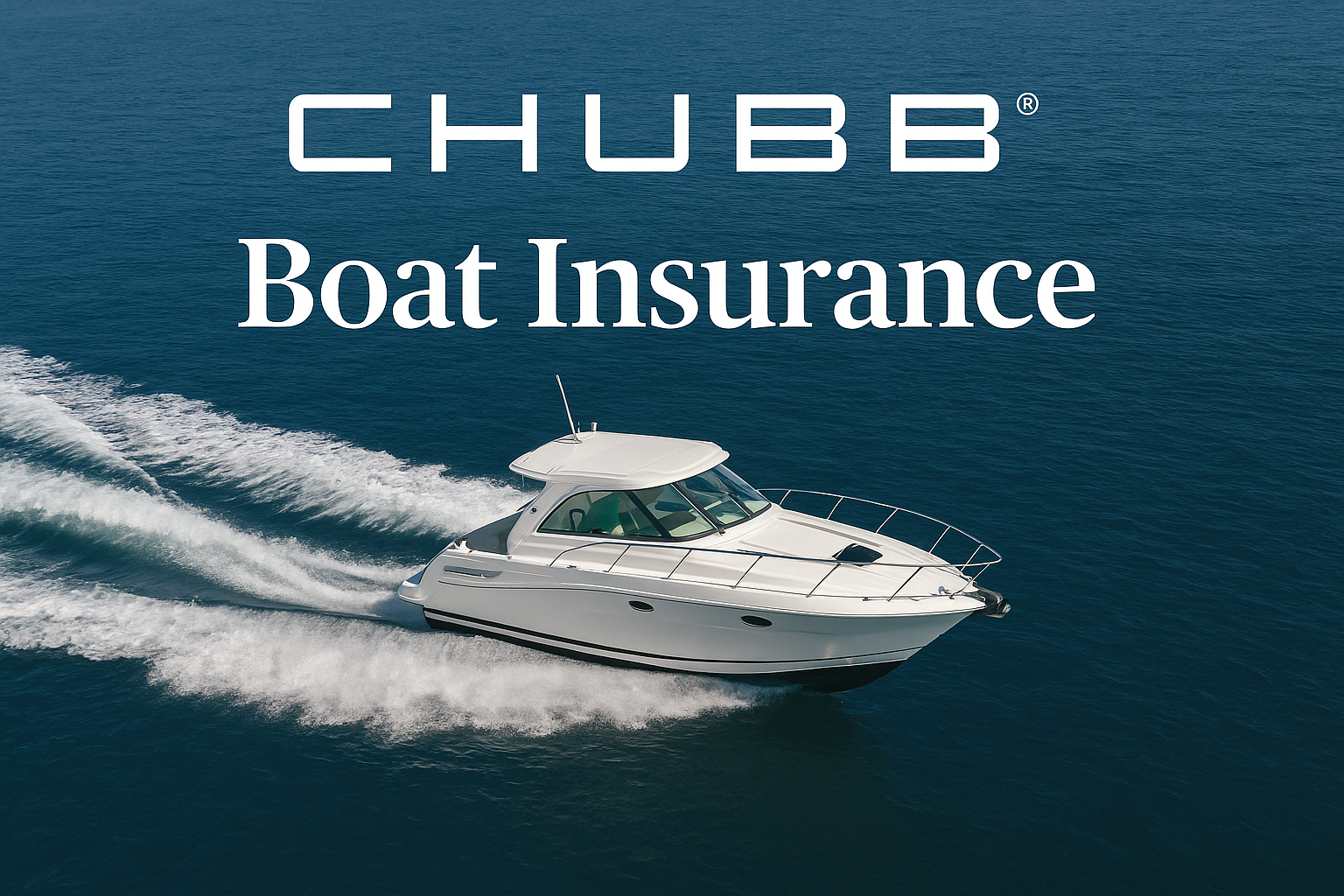
    Chubb boat insurance can help protect both your vessel and your time on the water. Many boat owners want coverage that feels clear, practical, and dependable. Chubb is often known for offering insurance options with strong service and broad protection. As a result, many people look at Chubb when they want to insure a fishing boat, sailboat, or larger pleasure craft. However, insurance terms can feel confusing at first, especially for new owners. So, a simple guide can make the choices easier to understand before you buy a policy.

    What Chubb Boat Insurance Usually Covers

    In general, Chubb boat insurance usually covers physical damage to your boat after a covered loss. For example, a policy may help pay for repairs if a collision damages the hull or motor. Also, coverage often includes theft, vandalism, and certain weather-related events. Many policies can protect onboard equipment, navigation tools, and other attached gear. As a result, owners may feel more confident when storing or using their boats. Still, you should read the policy carefully so you know exactly what items the contract includes.

    Liability protection is another major part of many Chubb boat insurance policies. If your boat causes injury to another person, liability coverage may help pay legal costs or medical expenses. Likewise, it may help if you damage another boat, dock, or other property. Because accidents can happen quickly on the water, liability coverage matters for nearly every owner. In many cases, a policy can also include guest passenger liability protection. Therefore, strong liability limits can give you more peace of mind during each trip.

    Many Chubb policies may also offer additional protections beyond basic damage coverage. For instance, some options may include towing assistance, wreck removal, and fuel spill liability. Also, coverage may extend to personal belongings that you keep on board, depending on the policy terms. Some owners may also qualify for uninsured or underinsured boater coverage. As a result, you can build a policy that fits your boat and how and where you use it. Even so, you should always confirm the details with an agent before you rely on any specific benefit.

    Key Benefits for Boat Owners to Consider

    One important benefit many owners notice is the quality of service that often comes with Chubb coverage. When problems happen, fast support can make a stressful moment much easier to handle. Also, many policyholders value working with an insurer experienced in high-value property and specialty risks. Because boats often have unique repair needs, experienced claims handling can be critical. In addition, good service may help you get answers faster when you need help with documents or policy questions. Therefore, customer support can be just as important as the listed coverage itself.

    Another key benefit is the ability to tailor coverage to your boating lifestyle. Some owners use a boat only a few weekends each year, while others spend long periods on the water. So, a flexible policy can better match your usage, storage habits, and navigation plans. You may also find options for additional equipment, personal effects, or higher liability limits. Because every vessel has a different value and risk level, customization can help avoid gaps in protection. As a result, many owners prefer insurers that let them shape a policy around their real needs.

    Agreed value coverage can also be a major benefit for some boat owners. With agreed-value coverage, the insurer and owner agree on the boat’s insured value in advance. If a total covered loss occurs, that amount may apply rather than a depreciated market value. Therefore, you may have a clearer idea of what compensation to expect after a serious incident. Also, that clarity can help owners of newer or high-value boats feel more secure. Even so, you should review the terms closely so you understand how valuation works under your specific policy.

    How to Choose the Right Policy Option

    First, think about how you use your boat during a normal year. Do you cruise close to shore, fish inland lakes, or travel longer coastal routes? Because different activities create different risks, your boating habits should shape your coverage choices. Also, the boat’s size, age, and horsepower can affect the level of protection you need. If you carry expensive electronics or fishing gear, you may want added equipment coverage. Therefore, a good policy starts with an honest look at how you actually use the vessel.

    Next, compare the coverage limits and optional features in each policy choice. A low premium may look attractive at first, but smaller limits can leave you exposed after a major accident. Also, deductibles play a big role in what you pay out of pocket during a claim. Because each insurer may define covered losses differently, reading the wording is important. You should also ask whether the policy includes navigation limits, seasonal restrictions, or lay-up periods. As a result, careful comparison can help you avoid surprises later.

    Finally, talk with a licensed insurance agent who understands marine coverage. An agent can explain terms in plain language and help you compare options that fit your budget. Also, an experienced advisor may point out risks you did not consider on your own. For example, they may suggest stronger liability limits if you boat in busy areas or entertain guests often. Because policy wording can vary, direct guidance can make your decision much easier. Therefore, asking questions before you buy is one of the smartest steps you can take.

    What Affects the Cost of Your Coverage

    Several factors can affect the cost of Chubb boat insurance. The type of boat, its age, its value, and its size often play a major role. In general, more expensive boats cost more to insure because repairs and replacements can be more expensive. Also, high-performance boats may attract higher premiums because they involve greater risk. Where you use and store the boat can also change the price. Therefore, owners should expect premiums to reflect both the vessel and the way they use it.

    Your boating experience can also influence the premium. Insurers often look at your claims history, your boating record, and sometimes your training. If you have completed safety courses, you may qualify for discounts in some cases. Also, a clean record may help show that you present a lower risk. Because past losses can signal future risk, previous claims may raise the cost of coverage. As a result, safe operation and good habits can benefit you in more ways than one.

    The details of the policy itself also affect the final price. Higher liability limits, lower deductibles, and broader protection usually increase the premium. On the other hand, a higher deductible can reduce your monthly or yearly cost. Also, optional features such as towing, personal effects coverage, and extended navigation areas may add to the premium. Because every choice changes the insurer’s potential cost, pricing can vary quite a bit from one policy to another. Therefore, balancing price and protection is an important part of the buying process.

    Tips for Filing a Smooth Claim With Chubb

    If you need to file a claim, act quickly and stay organized from the start. First, report the incident as soon as you can after it happens. Also, gather photos of the damage, the location, and any related property involved. If another boat or person is part of the event, collect names, contact details, and insurance information. Because clear records support your claim, accurate notes can help avoid delays. Therefore, strong documentation is one of the best tools you have during the claims process.

    You should also protect the boat from further damage after the incident, if it is safe to do so. For example, cover exposed areas, remove personal items, and follow emergency steps to reduce additional loss. Also, keep receipts for temporary repairs or emergency services if the policy may reimburse those costs. Because insurers often review what happened after the loss, your actions can affect how smoothly the claim moves forward. In addition, honest and prompt communication can help prevent misunderstandings. So, keep your insurer updated whenever new information becomes available.

    Finally, read your policy and follow the insurer’s instructions carefully during the claim. Ask questions if any part of the process feels unclear. Also, keep copies of emails, repair estimates, receipts, and claim forms in one place. Because repair timelines can change, regular follow-up can help you stay informed without losing track of details. If an adjuster inspects the boat, provide complete information and answer questions directly. Therefore, a calm, organized approach can make the entire experience easier and more efficient.

    Conclusion

    Chubb boat insurance can offer valuable protection for many types of boat owners. In general, the right policy can help cover damage, liability, and several extra risks that come with time on the water. Also, many owners appreciate flexible options that match how they use and store their boats. Because every vessel and boating routine differs, a careful review of coverage details matters a great deal. You should compare limits, deductibles, and optional protections before making a final choice. In addition, you should look closely at factors that affect cost, such as boat value, usage, and experience. If you ever need to file a claim, quick action and strong records can make the process much smoother. So, a little preparation now can save time, stress, and money later. With the right questions and a clear understanding of the policy, you can choose coverage with more confidence. As a result, you can spend more time enjoying your boat and less time worrying about the unexpected.


  • Understanding Florida’s Required Boat Insurance and Boating Laws for Safe Waters

    Florida’s sparkling waters attract thousands of boaters each year. Whether you sail along the coast or cruise through inland lakes, understanding the required Florida Boat insurance and state laws can help you protect your investment and enjoy your time on the water. By learning about the essentials of boat insurance and the legal requirements, you can navigate Florida’s waterways with confidence and peace of mind.

    Why Florida’s Required Boat Insurance Matters for Florida Boaters

    Owning a boat in Florida comes with both excitement and responsibility. Because many of the state’s waterways are shared by locals and tourists alike, accidents can happen. For that reason, boat insurance provides critical financial protection against damage, theft, or liability. Without insurance, a single accident can lead to expensive repairs or medical bills, putting your finances at risk.

    Even though Florida does not require boaters to carry insurance by law, lenders usually demand coverage if you finance your boat. Furthermore, https://floridainsurancequotes.net/boat-insurance/florida-marine-insurance/ states that many marinas require proof of insurance before allowing you to dock. Given the state’s unpredictable weather, including hurricanes and sudden storms, having insurance is not just wise, but it’s often necessary.

    Besides financial reasons, boat insurance gives you peace of mind every time you head out on the water. Instead of worrying about what could happen, you can focus on enjoying your outing. While accidents are often unpredictable, having insurance means you are ready for the unexpected. As a result, you can relax and make the most of your boating adventures in Florida.

    Key Types of Boat Insurance Coverage Explained

    Boat insurance policies come with several types of coverage, each designed to protect you in different ways. The most common is liability coverage, which pays for injuries or property damage you may cause to others. Because boating accidents can result in significant financial claims, liability protection serves as a crucial safety net.

    Physical damage coverage is another essential part of most policies. For example, if your boat is damaged in a collision, by fire, or even by theft, physical damage insurance will help cover the repair or replacement costs. Many policies also cover personal belongings and equipment on your boat so that you can replace lost items after a mishap.

    Some boaters choose to add extras, such as uninsured boater coverage or towing and assistance. For instance, if another boater without insurance causes an accident with your vessel, uninsured boater coverage can cover your losses. Towing and assistance coverage can help pay for emergency help if you break down far from shore. By combining different types of coverage, boaters can tailor a policy to meet their unique needs.

    Important Florida Boating Laws and Regulations

    Florida has specific laws to keep boaters and waterways safe. While the state does not require boat insurance for privately owned vessels, rules about registration, safety equipment, and boater education are strictly enforced. Every motorized boat operating in Florida waters must be properly registered with the state, and you must display your registration numbers clearly on your vessel.

    In addition, Florida law requires specific safety equipment on every boat. For example, all boats must carry a life jacket for each person on board, and most watercraft must have fire extinguishers, sound-producing devices, and visual distress signals. Law enforcement agencies patrol the waters regularly to ensure compliance with these rules.

    Boater education is another primary focus in Florida. Anyone born on or after January 1, 1988, must complete an approved boating safety course and carry a boater safety identification card while operating a boat with ten horsepower or more. By following these legal requirements, you help ensure safer waters for everyone.

    How to Stay Compliant on Florida Waters With Required Florida Boat Insurance

    Staying compliant with Florida’s boating laws protects you and everyone around you. Always keep your boat registration and boater safety card on board whenever you are on the water. Law enforcement officers may request to view these documents at any time, so it is essential to keep them readily accessible.

    Before each outing, check that all required safety equipment is present and in good condition. Inspect life jackets, fire extinguishers, and signaling devices before you leave the dock. Since boating laws can change, review the latest regulations from the Florida Fish and Wildlife Conservation Commission regularly.

    If you plan to anchor or dock at marinas, be prepared to show proof of insurance if asked. Even though the law may not require insurance, many facilities set their own rules. By taking these steps, you show respect for Florida’s laws and help make the water safer for everyone.

    Safety Tips and Best Practices for Responsible Boating

    Responsible boating goes beyond following the law. Always check the weather before you leave the dock, because conditions in Florida can change quickly. Intense storms and high winds can appear without much warning, so prepare accordingly and have a plan to return to shore if necessary.

    Whenever possible, avoid boating alone. Having another person on board can make emergencies more straightforward to manage. Make sure everyone wears a life jacket, especially children and weak swimmers. Life jackets save lives and are one of the simplest ways to stay safe.

    Stay alert and maintain a safe speed at all times. Florida’s waterways can get crowded, and reckless behavior increases the risk of accidents. Never operate a boat under the influence of alcohol or drugs, as impaired boating is both dangerous and illegal. By following these best practices, you help create a safer environment for all boaters.

    In Summary

    Understanding Florida’s boat insurance options and boating laws is essential for being a responsible boat owner. Because state regulations keep everyone safe, following them gives you peace of mind and helps protect your investment. Even though insurance is not mandatory for every boater, it provides valuable financial security and ensures you are prepared for unexpected events.  


  • Men searching underground for money.

    How Loopholes Hurt Florida’s Home Insurance Before Reforms

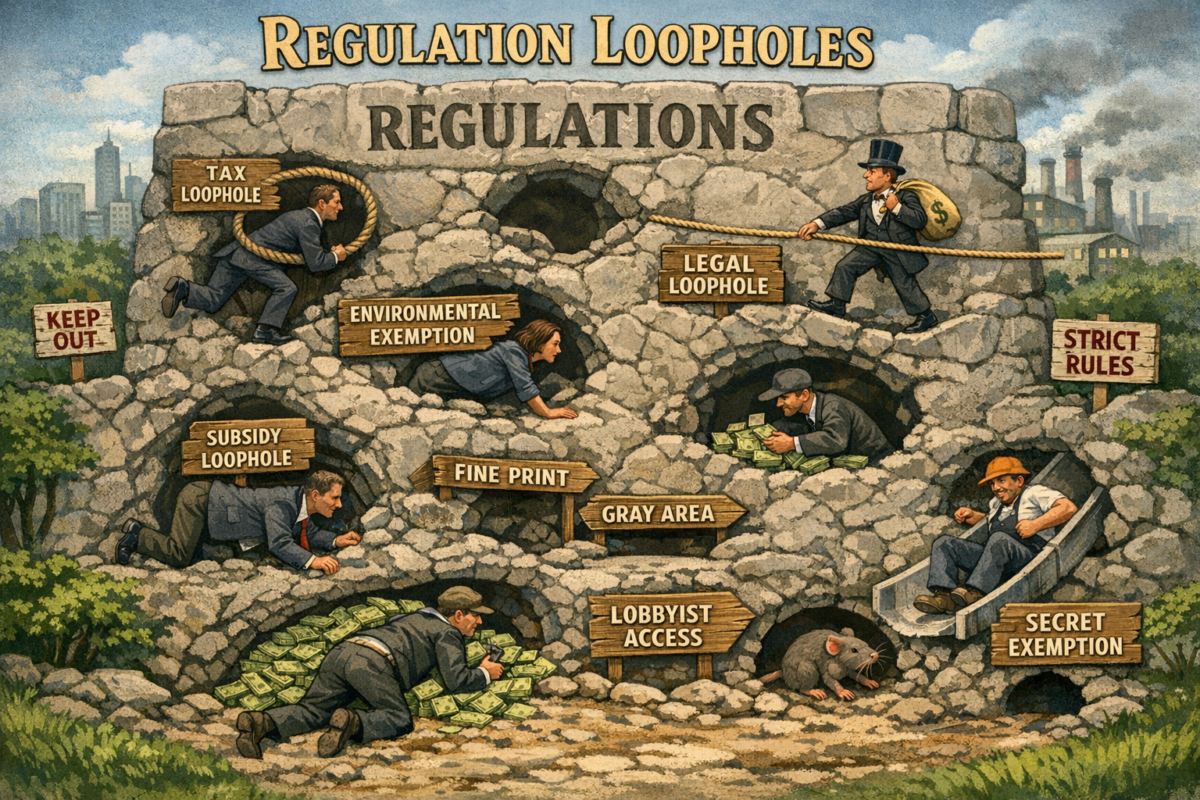
    Florida’s home insurance market has faced significant challenges for years. Many of these problems came from loopholes that hurt Florida. Because of these gaps, insurance companies and homeowners suffered together. Fraudulent claims became common, and premiums soared. Before recent reforms, the entire system teetered on the brink of collapse. Understanding what happened before the changes helps everyone see why reform was so urgently needed. Now, Florida serves as a cautionary tale for other states. The story reveals how even minor legal oversights can have significant consequences. Let’s explore the roots of Florida’s insurance crisis and how reforms are shaping the future.

    Understanding Legal Loopholes in Florida Insurance Law

    First, legal loopholes in Florida’s insurance system allowed people to take unfair advantage. For years, specific clauses in contracts gave third-party contractors too much power over claims. As a result, some contractors could sign over policy rights and take over the entire claims process. Although this seemed like a quick fix for homeowners, it opened the door to abuse.

    Furthermore, many laws did not clearly define limits on legal fees. Because of these unclear rules, lawyers and contractors often filed lawsuits for even small claims. Insurance companies struggled to defend themselves against so many legal battles. Meanwhile, loopholes made it hard for insurers to deny suspicious claims. When loopholes allowed lawsuits to multiply, everyone involved felt the strain. Loopholes hurt Florida’s home insurance

    Additionally, confusion over “assignment of benefits” agreements grew. Homeowners often did not realize they were signing away control of their policies. As loopholes went unchecked, fraudsters found new ways to exploit honest homeowners. Since the law offered little protection, both insurers and customers found themselves trapped by legal technicalities. Over time, trust in the system faded as loopholes led to increasingly serious problems.

    The Rise of Fraudulent Claims and Their Impact

    Once loopholes became common knowledge, fraud surged across the state. Shady contractors began targeting neighborhoods after storms, promising free repairs to anyone willing to sign over their policy rights. Because the assignment-of-benefits process was poorly regulated, these contractors could inflate repair costs. Insurers then faced bills that far exceeded the actual value of the damage.

    Not only did fraudulent claims overwhelm insurance companies, but they also affected honest homeowners. When insurers paid out for fake or exaggerated claims, their losses piled up. To stay in business, companies had to recover by raising everyone’s premiums. As a result, families who never filed a claim still paid the price. The rise in fraud made it harder to find affordable coverage.

    Moreover, the legal environment favored lawsuits over cooperation. Because lawyers could collect high fees for even small wins, many cases ended up in court. As lawsuits increased, insurers spent more money defending themselves than helping real victims. Fraud became so widespread that some companies left the market altogether. Without substantial reforms, the entire system risked collapse.

    How Loopholes that Hurt Florida’s Home Insurance Exploded Premiums Statewide

    Insurance premiums in Florida skyrocketed in recent years. As fraud and lawsuits multiplied, companies faced more risk with every policy they wrote. To offset these risks, insurers had no choice but to charge higher rates. In turn, families across the state saw their premiums double or even triple almost overnight.

    Because the legal system made it easy to file lawsuits, insurers spent huge sums on legal fees rather than on claims. Each time a company lost a case, other policyholders ended up paying for it through their premiums. Homeowners who never filed a claim still saw their costs rise year after year. While some people tried to shop around, few found any relief.

    Eventually, many insurance companies left Florida entirely. When competition shrank, the remaining companies could raise rates even further. Some homeowners could no longer afford insurance. Others risked losing their homes because their policies were canceled. High premiums became a daily burden for families already struggling with rising costs elsewhere.

    The Struggles Homeowners Faced Before Reforms to Loopholes that hurt Florida home insurance

    Before reforms were passed, Florida homeowners faced a perfect storm of difficulties. Many received confusing paperwork after storms, only to later discover they had signed away their policy rights. Contractors sometimes filed claims without even starting repairs. For honest families, navigating the system was nearly impossible.

    In addition, rising premiums forced many people to cut back elsewhere. Some families had to choose between home insurance and other basic needs. Others faced foreclosure because lenders required insurance that they simply could not afford. Even those who paid high premiums worried that their claims might be denied if another storm hit.

    Worse yet, the lack of trust created tension between homeowners and insurers. People felt trapped, knowing they needed coverage but unsure whom to trust. When fraudsters moved in, neighborhoods became battlegrounds for legal fights and repairs. Without reforms in place, hope seemed far away for Floridians just trying to protect their homes.

    Turning Point: Major Reforms Change the Landscape For Loopholes that hurt Florida home insurance

    Finally, lawmakers took bold action to fix the broken system. The change came in the form of new restrictions on assignment of benefits agreements. Contractors and lawyers could no longer take over claims without explicit permission. Homeowners now have more control over their own policies.

    In addition, the legal landscape shifted to discourage frivolous lawsuits. New rules limit the fees lawyers and contractors can collect from insurance companies. Because of these reforms, insurers no longer face the same overwhelming risk from small claims and the . Fewer lawsuits mean more resources go toward real repairs rather than court battles.

    Early signs show that the reforms are working. Fraudulent claims have dropped, and insurers are returning to the Florida market. Premiums are stabilizing, giving families hope for the future. With stronger oversight, the entire system seems more balanced. Homeowners now have better protection from both fraud and sky-high costs.

    Lessons Learned and the Path Forward for Florida

    Looking back, Florida’s experience offers important lessons for everyone. First, even well-meaning laws can cause harm if loopholes that hurt Florida home insurance go unaddressed. When contractors and lawyers work around the rules, the entire insurance system feels the impact. Protecting homeowners means keeping laws clear and closing any gaps that might lead to abuse.

    Furthermore, the crisis showed that fast action matters. Once fraud took hold, it spread quickly and affected everyone. By taking strong steps, lawmakers restored balance and rebuilt trust. The reforms did not solve every problem, but they stopped the worst abuse. Now, other states are watching Florida’s progress and learning from its mistakes.

    Florida’s path forward depends on continued vigilance. Lawmakers and regulators must closely monitor the system, ready to act if new loopholes emerge. Homeowners also need clear information to make wise choices about their coverage. Insurers and contractors should work together to rebuild trust in the market. By focusing on honesty and transparency, Florida can protect its families and homes for generations to come. The state’s journey reminds everyone that strong laws, innovative reforms, and community awareness are the keys to a healthy insurance market.

    In Summary

    Florida’s home insurance crisis did not happen overnight. Years of unchecked loopholes, rising fraud, and legal battles eroded the market’s stability and loopholes hurt Florida’s home insurance. Homeowners paid the price through higher premiums and endless confusion. Once lawmakers stepped in, real change became possible. The new reforms are a turning point, providing hope that Florida can finally leave its insurance troubles behind. Although challenges remain, the state now has stronger tools to fight fraud and protect policyholders. Families can begin to trust the system again, knowing that the law is on their side. As Florida looks forward, its hard-won lessons offer a roadmap for others. With clear rules, strong oversight, and honest partnerships, everyone can enjoy safer, more affordable coverage. The story of Florida’s reforms shows how determined action can heal even the deepest cracks in a broken system.