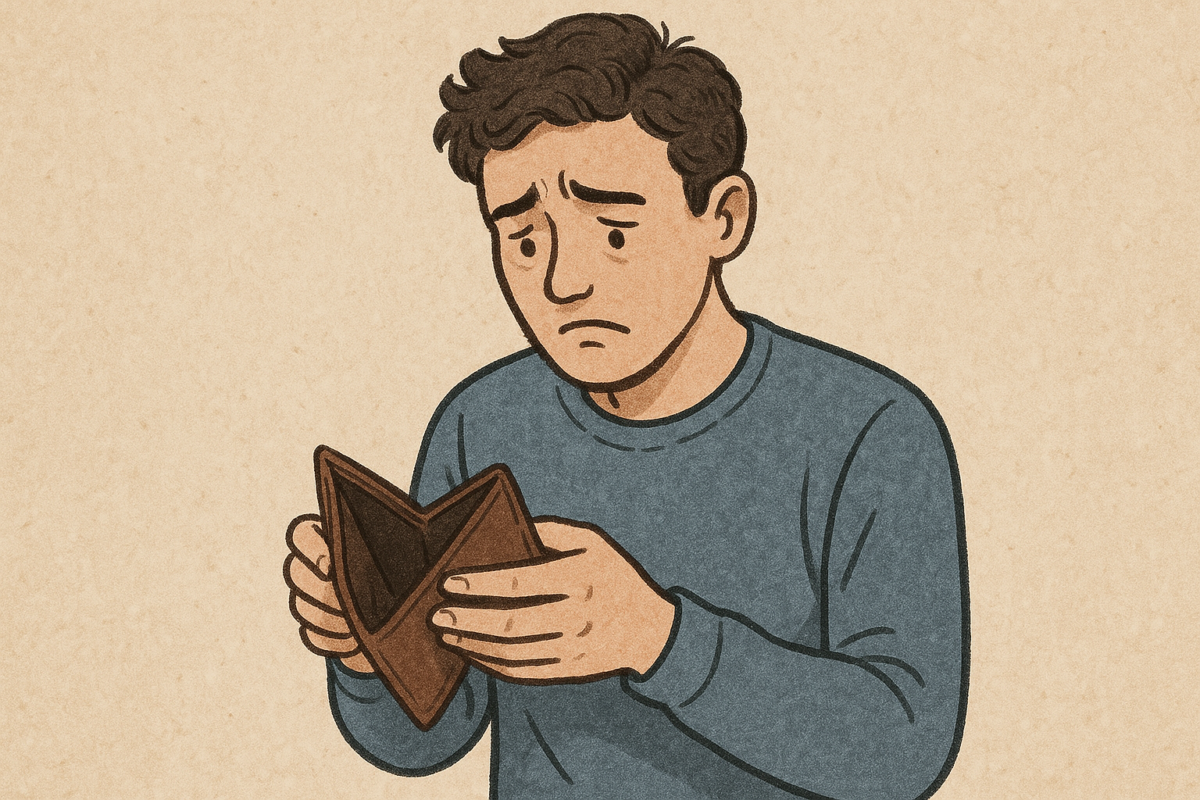
Florida drivers often wonder what kind of car insurance they truly need. Understanding the minimum requirements is the first step to staying legal and protected on the road. Many people get confused by the different types of coverage and what the state actually demands. In Florida, specific rules set by the government outline the least amount of coverage you must carry. Knowing these rules helps you avoid fines and other penalties. As you read further, you will learn which policies Florida requires, what they include, and why the minimums might not be enough for everyone. The more you know, the easier it becomes to choose the right insurance for your needs. So, let’s take a closer look at Florida’s car insurance laws and how they affect you every day.
What Does Florida Law Require for Car Insurance?
Florida law requires all drivers to carry a minimum amount of car insurance before hitting the road. You must have at least two types of coverage to register your vehicle in the state. The law states that Personal Injury Protection (often called PIP) and Property Damage Liability (PDL) are both required. PIP covers your medical expenses regardless of who caused the accident, while PDL pays for damages you cause to someone else’s property. You cannot legally drive your car without these policies in place.
Personal Injury Protection is essential in Florida because the state follows a no-fault insurance system. Under this system, your own insurance pays for your injuries up to a specific limit, no matter who was at fault. Florida law requires you to have at least $10,000 in PIP coverage. This coverage helps pay medical bills and can also cover lost wages if you miss work after an accident. Because accidents can happen at any time, having this policy keeps you prepared and compliant with the law.
Property Damage Liability is the second required coverage. Florida requires at least $10,000 in PDL insurance to cover damages you cause to another person’s property. Most often, this means paying for repairs to another person’s vehicle, but it can also cover things like fences or buildings. If you do not have this insurance, a court could hold you personally responsible for paying these costs out of pocket. The minimum amounts might sound modest, but having them is essential for legal driving in Florida.
Key Components of Florida’s Minimum Coverage
Personal Injury Protection stands as one of the core pieces of required insurance in Florida. With $10,000 in coverage as the minimum, you will find that this protection helps pay for your immediate medical needs after a crash. However, sometimes it will also assist with other costs, such as lost income or funeral expenses. The aim is to help you and your passengers quickly recover without lengthy disputes over fault. Because accidents often cause unexpected costs, PIP keeps your recovery process simple.
Property Damage Liability makes up the other central part of Florida’s minimum insurance package. This part ensures that if you damage someone else’s car or property, your insurance will help pay for repairs. With at least $10,000 in coverage, you can handle more minor accidents without risking your own finances. While this amount may seem low, it does provide a basic safety net against common accidents. However, larger accidents can exceed these limits, leaving you responsible for additional costs.
Florida’s minimum requirements do not include coverage for damage to your own car or for injuries you cause to others. Comprehensive or collision coverage, as well as Bodily Injury Liability, are not part of the mandatory package. You may still want to consider them, especially if you drive often or have a valuable vehicle. Many people feel safer with extra protection, given the unpredictable nature of accidents. Although state law sets the minimums, you can always increase your coverage for greater peace of mind.
Why Minimum Coverage Might Not Be Enough
Although Florida’s minimum car insurance requirements keep you legal, they might not always provide enough protection. In many accidents, repair costs or medical bills can quickly exceed the $10,000 limits. If your insurance does not cover the full amount, you are responsible for paying the balance. This financial burden can put a severe strain on your budget or savings. Even minor collisions can result in damage that exceeds the minimum coverage limit.
Medical expenses can also add up much faster than you expect. While PIP covers initial bills, it often runs out before treatment is complete. If you sustain more serious injuries, you may need to pay for extra care on your own. Many drivers do not realize how quickly these costs can grow after a crash. Choosing only the minimum means taking on more risk if something goes wrong. For families or those with health concerns, higher coverage limits can make a big difference.
Property damage can also exceed the minimum PDL coverage, especially in bigger accidents or when multiple vehicles are involved. If your policy only covers $10,000 but the damage is $20,000, you must pay the remaining $10,000 out of pocket. Even small mistakes can turn into expensive problems without enough insurance. Because Florida’s required coverage is lower than that of many other states, you should carefully consider if the minimum is truly enough for your needs.
Comparing Costs and Risks of Basic Insurance
Many drivers choose the minimum required insurance because it often costs less each month. Lower premiums make it easier to fit insurance payments into a tight budget. For people with older cars or limited assets, basic coverage can seem like a practical option. However, saving on premiums can also mean accepting more financial risk after an accident. When you compare the monthly cost to the potential out-of-pocket expenses, the trade-off becomes clear.
The risks of carrying only minimum coverage extend beyond just financial concerns. If an accident results in injuries or property damage above your policy limits, you could face lawsuits or debt. These situations may harm your credit or even result in wage garnishment. Choosing the cheapest policy might not give you the security you expect. Many people regret their decisions when unexpected events occur.
Comparing insurance plans can help you find a better balance between cost and protection. You may discover that only a few extra dollars per month can double your coverage. Many insurers also offer discounts for safe driving, bundling policies, or taking defensive driving courses. By exploring your options, you can develop a policy that fits your needs without breaking the bank. Rather than rushing into the lowest price, it pays to weigh both the immediate savings and the long-term risks.
Making Smart Choices for Your Car Insurance Needs
Choosing the right car insurance in Florida means looking beyond just the legal minimums. You should start by thinking about your daily driving habits, the value of your car, and your personal financial situation. Some drivers may feel comfortable with the minimum, but others may need extra protection for peace of mind. Speaking with an insurance agent can help you understand your unique risks and what coverage works best for you. Asking questions and comparing quotes gives you more control over your policy.
Evaluate whether your current insurance would cover the costs of a serious accident. Consider what might happen if your medical bills or property damage exceeded the minimums. Many experts recommend adding Bodily Injury Liability and higher limits on your existing policies. Moreover, these additions do not just protect you but also safeguard your family and your assets. Increasing your coverage can often be done for a slight increase in monthly payments.
Taking time to review your policy each year keeps your coverage up to date with your needs. If your life changes, such as buying a new car or moving to a different area, your insurance needs may change too. Regularly checking your policy helps you avoid surprises and ensures you have the proper protection. Many drivers find that investing in better coverage saves money and stress in the long run. Making wise choices now can give you confidence on the road every day.
Conclusion
Understanding the minimum car insurance required in Florida helps you stay legal and safe while driving. Knowing that you need both Personal Injury Protection and Property Damage Liability is just the first step. Although the state’s requirements keep costs lower, they may not fully protect you in all situations. Accidents can happen at any time, and expenses can quickly exceed your policy’s limits. When you choose only the minimum, you risk paying large out-of-pocket bills or facing legal trouble. Comparing insurance plans and weighing your needs gives you more power to manage your risks. Speaking with an insurance expert can help you find the best balance between cost and coverage. Remember to review your policy each year to keep up with life changes. By staying informed and proactive, you avoid unpleasant surprises and keep your family safe. Making wise decisions about your car insurance today means you drive with greater confidence tomorrow.